Complete Guide to MCX Commodity Trading for Beginners
If you've ever watched the price of gold shoot up during a global crisis or seen crude oil prices swing wildly during geopolitical tensions, you've already witnessed the commodity market at work.
For most people, these price movements feel distant, something that only affects big businesses or large investors. But the truth is, commodity trading is one of the most accessible and rewarding ways for everyday individuals to participate in financial markets, and India's Multi Commodity Exchange (MCX) has made it easier than ever.
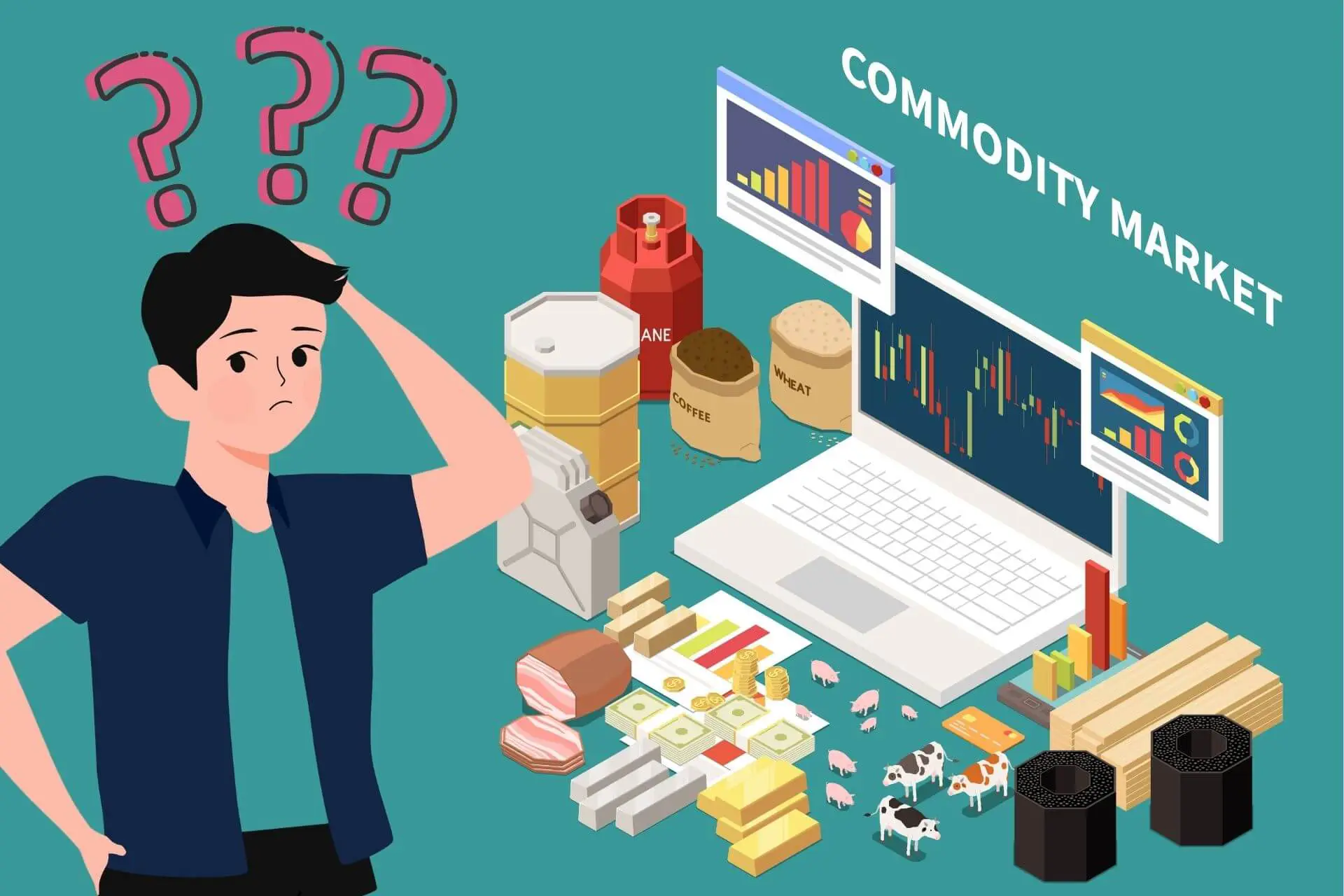
What Is the Commodity Market?
Before we dive into the trading process, let's start with commodity trading. A commodity is essentially a raw material or primary agricultural product that can be bought and sold. This includes metals like gold, silver, copper, and aluminium; energy resources like crude oil and natural gas; and agricultural products like wheat, cotton, and cardamom.
The commodity market is a marketplace where these goods are traded, usually in the form of futures contracts, meaning you agree to buy or sell a commodity at a predetermined price on a future date. This kind of trading allows businesses to manage price risk and gives traders an opportunity to profit from price movements. In India, commodity trading primarily takes place on the MCX, which stands for Multi Commodity Exchange of India Limited. Founded in November 2003 and regulated by the Securities and Exchange Board of India (SEBI), MCX holds a dominant 90% market share in India's commodity futures trading.
Why Consider Commodity Trading?
Commodity trading for beginners might sound intimidating, but it actually comes with several distinct advantages. First, commodities allow you to diversify your portfolio beyond stocks and mutual funds. Second, they act as a natural hedge against inflation because when prices rise in the economy, commodity prices usually rise too. Third, the MCX operates with high transparency and is under SEBI's strict oversight, which means your money is protected by a robust regulatory framework. And finally, even a modest capital outlay can give you meaningful market exposure because of how margin trading works in the commodity segment.
Step-by-Step Commodity Trading Guide
Here is a clear Step by Step Commodity Trading Guide that will help you go from zero to your first trade.
Step 1: Choose a SEBI-registered broker who is also an MCX member. Look for someone with a reliable trading platform, good customer support, and transparent brokerage charges.
Step 2: Open a commodity trading account. You will need documents such as your PAN card, Aadhaar card, address proof, income proof, and a cancelled cheque. Most brokers today allow you to complete this process completely online through e-KYC.
Step 3: Complete your in-person or video verification. Once verified, your account will be activated and you will receive your login credentials.
Step 4: Deposit your initial margin. This is a percentage of the total contract value, not the full amount, and it acts as a security deposit to execute trades.
Step 5: Download and set up your commodities trading platform and familiarise yourself with live market data, order types, and charts before placing your first trade.
Step 6: Start with heavily traded commodities like gold or crude oil, where price information is widely available and liquidity is high. Watch price movements, study basic technical charts, and then place your first order confidently.
How Beginners Can Start Trading on MCX
If you are wondering exactly how beginners can start trading on MCX, the key is education before execution. Many new traders make the mistake of jumping in without understanding contract sizes, expiry dates, or margin requirements. On MCX, every commodity has a standardised lot size and contract value. For example, gold is traded in lots of 100 grams, silver in 30 kilograms, and crude oil in 100 barrels. Understanding these contract specifications will help you manage your risk appropriately from day one. Most importantly, never risk more than you can afford to lose, and always use stop-loss orders to protect your capital.
Start Your Journey with MBEAR
If you are looking for a structured and disciplined path into the world of trading, MBEAR offers a comprehensive ecosystem designed to support your growth from the ground up. Based in Bangalore, MBEAR is more than a commodities trading platform — it is a complete trading environment that integrates intelligent market data, structured workflows, expert mentorship, and a fully equipped professional Trading Floor under one roof.
Through its dedicated Commodities module, MBEAR provides in-depth training in MCX trading, including crude oil, gold, silver, and risk management, delivered with a disciplined and noise-free approach. The Professional Trading Floor environment allows traders to experience real-time market analysis and execution within a focused, process-driven setting.
Whether you are a beginner building your foundation or an experienced trader refining your execution, MBEAR’s structured systems and personalized mentorship provide the clarity, confidence, and professional support needed to progress consistently in the markets.
Visit MBEAR at: https://mbear.in/
Contact : +91 984502 7284
E mail : [email protected]
Location : Basaveshwara Nagar, Next to Yes Bank, Bangalore